


Let our family help yours

West Palm Beach Marchman Act Lawyer

Florida law, explained

What Is the Marchman Act in Florida?

The Marchman Act is Florida’s law that lets a family ask a court to order addiction assessment and treatment for a loved one who will not get help voluntarily. Michael T. Rabideau has practiced in Palm Beach County courts since 1999 and focuses on helping families file Marchman Act petitions correctly the first time. The law’s full name is the Hal S. Marchman Alcohol and Other Drug Services Act, found in Chapter 397 of the Florida Statutes.

Under section 397.6957, the court must find by clear and convincing evidence that the person:

  • Is impaired by drugs or alcohol and has a history of not following through with treatment;
  • Is unlikely to accept recommended treatment voluntarily, or cannot judge whether they need it; and
  • Without services, is likely to neglect their own care and face a real risk of serious harm, or is so impaired they cannot appreciate the need for care.

A court order for involuntary treatment can last up to 90 days under section 397.697, and it can be renewed for up to 90 more days if the person still meets the criteria. Our West Palm Beach Marchman Act lawyer helps families throughout Palm Beach County prepare, file, and present petitions with the court.

Why Specialized Marchman Act Legal Representation Matters in Palm Beach County

Marchman Act petitions in Palm Beach County are filed with the Clerk of Court and heard in the Fifteenth Judicial Circuit. Once a petition is filed, section 397.68151 requires the court to schedule a hearing within 10 court working days. Incomplete petitions and thin evidence are the most common reasons families lose time. At The Law Offices of Michael T. Rabideau, P.A., we draw on more than 25 years of Palm Beach County courtroom experience to handle every legal detail.

Retaining a dedicated Palm Beach County Marchman Act attorney gives your family these advantages:

  • Urgent Filings: Asking the court for a prompt clinical assessment when a loved one is at immediate risk of overdose or harm.
  • Evidence & Petition Preparation: Gathering behavioral records and drafting a sworn petition that meets every legal requirement.
  • Courtroom Advocacy: Presenting your evidence at the hearing and answering objections from the respondent’s attorney.
  • Coordination & Enforcement: Working with the Clerk of Court, the Palm Beach County Sheriff’s Office, and licensed treatment providers to carry out the court’s order.

The Fifteenth Judicial Circuit also publishes a Marchman Act information flyer for families. When a loved one’s life is on the line, you don’t have to do this alone. Contact our West Palm Beach Marchman Act lawyer today to begin your confidential petition.

The Marchman Act Process in Palm Beach County, Step by Step

1. Confirm the Legal Criteria

Before filing, we review whether your loved one meets the criteria in section 397.6957: drug or alcohol impairment, a history of not following through with treatment, and either a real risk of serious harm or an inability to see the need for care.

2. Prepare and File the Petition

A spouse, legal guardian, any relative, a service provider, or an adult with direct personal knowledge of the person's substance abuse can file. We prepare the sworn petition and file it with the Palm Beach County Clerk of Court.

3. Court Review and Appointment of Counsel

When the petition is filed, the court decides whether the respondent needs a lawyer and may appoint one. The respondent is then served with the petition and notice of the hearing.

4. Clinical Assessment

The court can order a clinical assessment before the hearing. Once the person arrives at a licensed service provider, the assessment must be completed within 72 hours, and the report must be filed with the court before the hearing.

5. The Hearing

The court must schedule the hearing within 10 court working days of filing. The petitioner must prove the criteria by clear and convincing evidence. The respondent generally must attend unless the court finds attendance would be harmful or the right is waived.

6. Treatment Order

If the criteria are met, the court can order involuntary treatment for up to 90 days. Depending on the person's needs, treatment may be residential or outpatient with a licensed provider.

7. Renewal or Early Release

The court keeps jurisdiction during treatment. If the person still meets the criteria near the end of the order, it can be renewed for up to 90 more days under section 397.6975. If the person improves sooner, they must be released early.

Who Is Legally Authorized to File a Marchman Act Petition in Florida?

Under section 397.68112, a petition for an adult can be filed by a spouse, a legal guardian, any relative, a service provider, or an adult with direct personal knowledge of the person’s substance abuse and treatment history. For a minor, only a parent, legal guardian, or service provider can file.

  • Family members: spouses, parents, adult children, siblings, and other relatives.
  • Legal guardians.
  • Service providers: licensed treatment providers involved in the person’s care.
  • Other adults with direct knowledge: a partner, friend, or coworker who has seen the substance abuse firsthand and knows the person’s treatment history.

If your loved one is in danger and refuses voluntary rehab, you do not have to navigate the court system alone. At The Law Offices of Michael T. Rabideau, P.A., we prepare every sworn petition with care to move your case forward in Palm Beach County. Schedule a free consultation to get started.

Marchman Act FAQs for Palm Beach County Families

Can a family member file for a Marchman Act?

Yes. Any relative of an adult, including a spouse, parent, sibling, or adult child, can file a Marchman Act petition in Florida. For a minor, a parent or legal guardian can file. A lawyer can make sure the petition includes the facts the court needs to act quickly.

Does my loved one have to agree to a Marchman Act?

No. The Marchman Act exists for people who will not accept help voluntarily. The court decides based on the evidence, and the person has the right to attend the hearing and to have a lawyer.

How long does a Marchman Act treatment order last?

A court order for involuntary treatment can last up to 90 days. If the person still meets the criteria near the end, the order can be renewed for up to 90 more days. The person must be released earlier if they no longer meet the criteria.

How quickly can a Marchman Act move in Palm Beach County?

Once a petition is filed, the court must schedule a hearing within 10 court working days. In urgent cases, the court can order a clinical assessment before the hearing. A complete, well-supported petition is the best way to avoid delays.

Are Marchman Act court records public?

No. Florida law makes Marchman Act petitions, court orders, and related records confidential. They are not open to public records requests.

Do I need a lawyer to file a Marchman Act?

Florida does not require one, but the petition must meet strict legal standards, and the respondent often has a court-appointed attorney. Having your own lawyer helps you present clear evidence and avoid dismissals or delays.


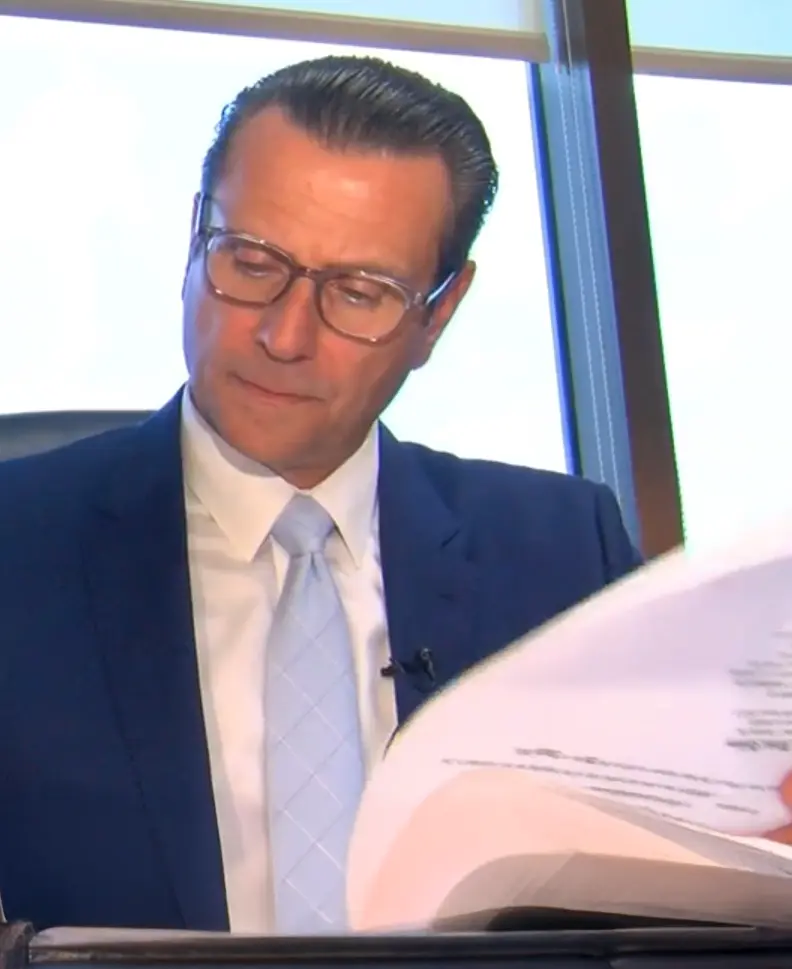
Avvo Excellent rating for attorney Michael T. Rabideau Michael T. Rabideau interviewed on CBS12 about the Marchman Act

Chat with Rabideau Law
Are you in need of help from a lawyer?

Get Help With a Marchman Act Petition

Talk with Michael Rabideau about your family’s situation. Consultations are free and confidential.